
Why Tight Spaces Change Everything
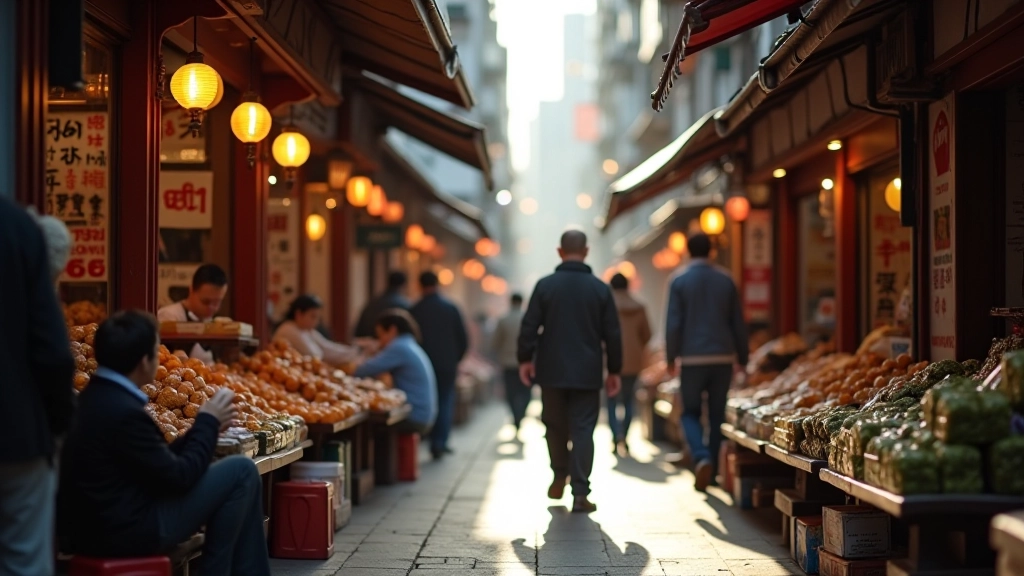
Street photography in dense urban environments isn’t just about pointing your camera at interesting people. It’s a completely different skill set. When you’re working in tight quarters — think narrow alleys, crowded markets, or packed pedestrian zones — your approach to composition, camera choice, and ethical practice needs to shift.
The magic happens when you embrace constraints. Limited space forces you to be creative with framing. You can’t step back to get a wider shot, so you learn to work with what’s immediately around you. This builds stronger compositional instincts than you’d develop in wide-open spaces.
Gear That Actually Works in Crowds
Forget the telephoto lens. When you’re in tight spaces, you need gear that’s responsive and doesn’t announce your presence. A 35mm or 50mm prime lens is your friend here. Both focal lengths sit in the sweet spot between context and detail.
The 35mm lens gives you a natural field of view. It’s wide enough to capture environmental context but tight enough that you’re genuinely close to your subject. With a 50mm, you’re committing to being right there. Either way, you’re not hanging back with a long lens — you’re part of the scene.
Body size matters too. A full-frame DSLR with a chunky grip screams “photographer.” A compact mirrorless camera or even a used rangefinder is less intimidating. People are more relaxed when your gear doesn’t look like professional equipment. Sometimes a camera that looks like it’s from 1995 gets you closer than the latest model.
This guide is informational and educational in nature. Street photography laws vary significantly by country and region. Always research local regulations regarding photographing people in public spaces before heading out. Respect for privacy and consent are ethical essentials, not just legal considerations.
Composition in Confined Spaces
In tight spaces, layering becomes your compositional strategy. You’re not waiting for a decisive moment with perfect negative space. Instead, you’re building frames where multiple subjects interact within a shallow depth of field.
Look for frames within frames. A shop window, a doorway, a gap between buildings — these become your compositional anchors. You’re essentially creating a photograph inside the photograph. This technique works brilliantly in crowded areas because it naturally isolates your subject from visual chaos.
Depth is everything. If you’re shooting with a 50mm at f/2, you’ve got roughly 8-10 inches of sharp focus. Position yourself so your main subject is sharp and everything else — the clutter, the crowds — falls into soft focus. It’s separation without needing to step away.
The Ethical Dimension: Privacy and Respect
Here’s where tight spaces make ethics more complicated. You’re closer to people. They’re more likely to notice you. You can’t claim you were just capturing “the moment” when someone’s clearly looking directly at your camera from 3 feet away.
Develop a genuine relationship with your subjects, even if it’s just a 10-second interaction. Make eye contact. Smile. If someone asks what you’re doing, tell them honestly. You’re not being sneaky — you’re documenting real life. The best street photographs come from a place of genuine interest in people, not voyeurism.
In tight spaces, you’ll get rejected sometimes. Someone will ask you not to photograph them or their shop. That’s completely valid. Respect it. Delete the image if they ask. The best street photographers aren’t the ones who get every shot — they’re the ones who’ve built a reputation for being respectful and fair.
Practical Techniques for Tight Quarters
1 Embrace Your Position
Don’t try to hide or make yourself small. Stand where you are with confidence. People respond better to a photographer who’s clearly there to work than one who’s skulking around. Plant yourself, frame your shot, and wait for the moment to develop.
2 Shoot Multiple Frames
In crowds, things move fast. You won’t get the perfect moment on the first try. Shoot 3-5 frames as situations develop. Digital is cheap. Review and delete later. The in-between moments often hold more interesting content than the obvious peak moment.
3 Use Available Light Creatively
Tight spaces mean built-in reflectors, shadows, and light bouncing everywhere. A storefront window, a wet pavement after rain, the shadow of a building — these create natural framing. Work with what the environment gives you instead of fighting for ideal light.
4 Watch Patterns, Not People
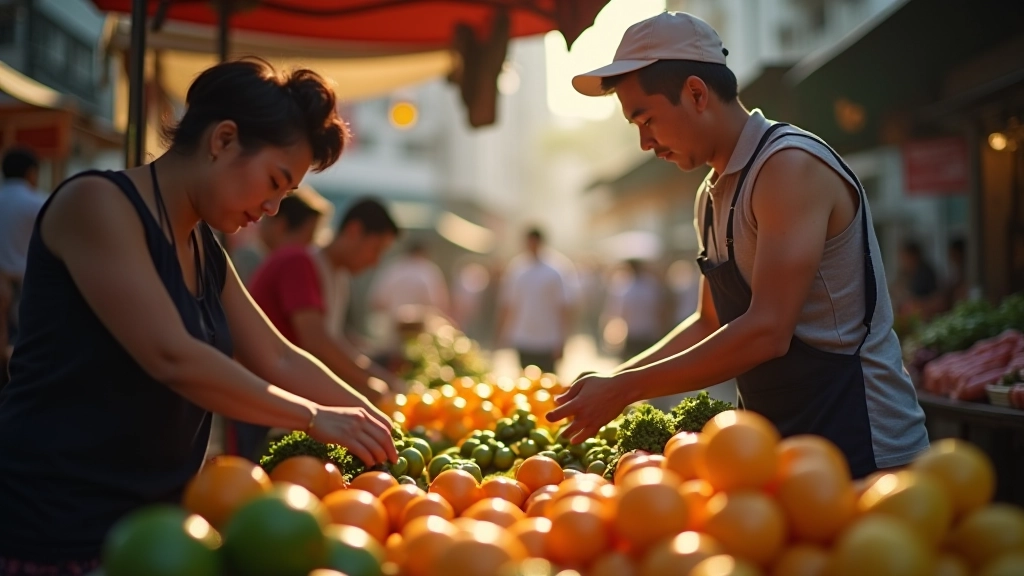
Don’t lock onto individual subjects. Watch how people move through the space. Notice the rhythm of foot traffic. Anticipate where interesting moments will happen — a doorway, a corner, a gap between stalls. You’ll be ready when it happens.
Processing Your Street Work
Street photography in tight spaces tends to look best when it’s minimal in post-processing. These environments are already visually complex. You don’t need to add more. Straighten your horizons, adjust exposure if needed, maybe increase contrast slightly. That’s often enough.
Black and white works well here too. It simplifies the visual information. All that competing color and detail in a crowded street? Converted to monochrome, suddenly the geometry and relationships between people become clearer. It’s not a shortcut — it’s a genuine compositional choice that suits the subject matter.

Moving Forward
Street photography in tight urban spaces isn’t harder than photographing in open environments — it’s just different. You’re working within constraints, which actually forces you to develop stronger skills faster. There’s no room for lazy composition or hoping the scene will improve if you just wait.
Start in environments you know well. Walk your local neighborhood or favorite market dozens of times. Learn the light, the rhythms, the people. Bring your 35mm or 50mm prime lens and just practice. You’ll develop an intuition for timing and framing that’ll serve you everywhere.
The tighter the space, the more authentic your work becomes. You’re not distant or detached. You’re engaged with the environment and the people in it. That proximity creates images with real presence — photographs that feel like they’re about something genuine, not just a pretty composition.