
Understanding Architectural Lines
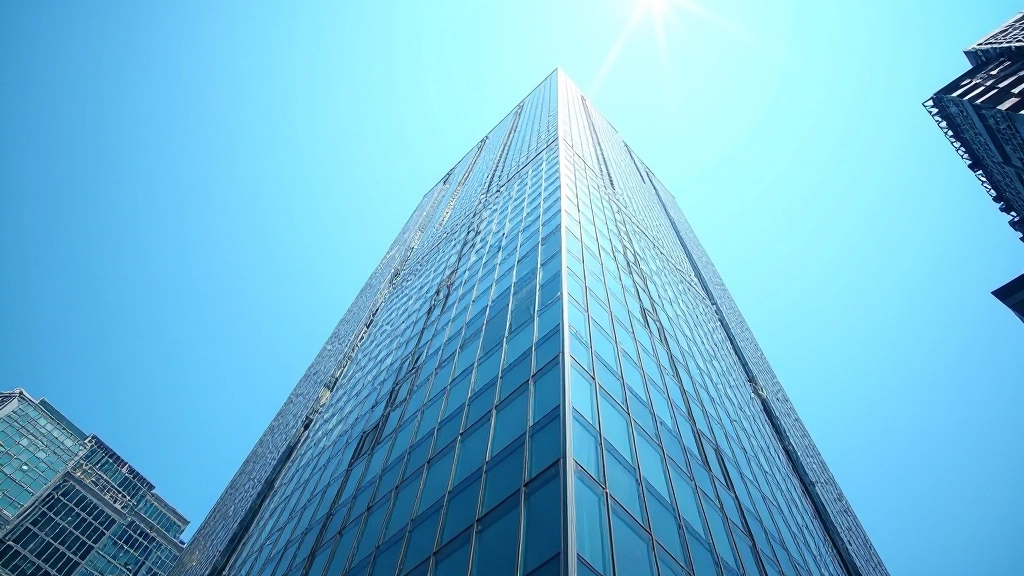
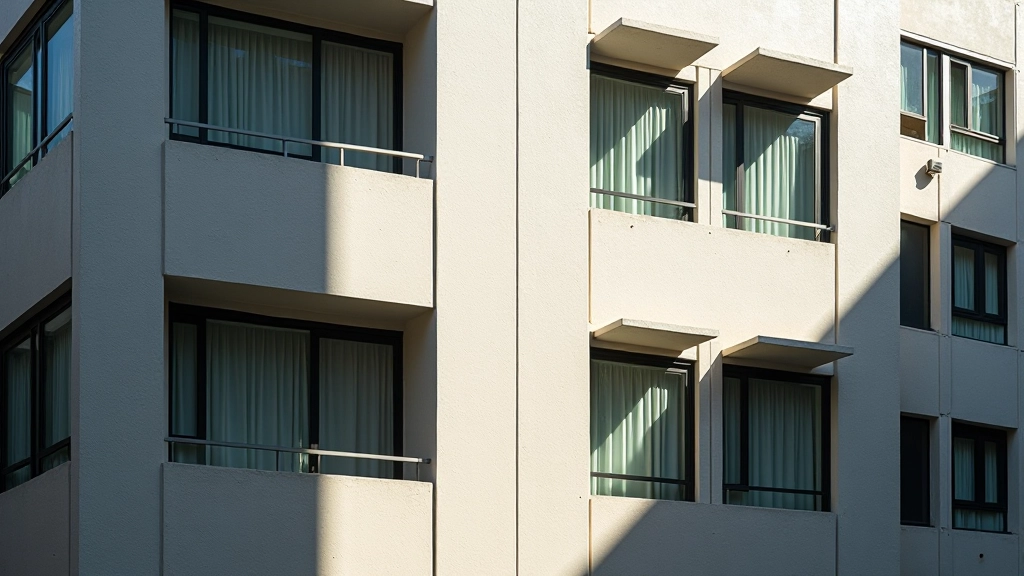
Architecture isn’t random. Buildings follow geometric principles that photographers can leverage to create compelling compositions. When you’re walking through Hong Kong’s skyline, you’re surrounded by vertical lines from skyscrapers, horizontal lines from windows and floor divisions, and diagonal lines created by angles and shadows.
The key is learning to see these lines before you raise your camera. Most photographers miss them entirely because they’re focusing on the building as a whole. Instead, you’ll want to look at how light hits the facade, where strong verticals align, and what leading lines pull the viewer’s eye through the frame. It’s not about documenting the building — it’s about interpreting it visually.
Start with simple compositions. A single clean vertical line against a textured background. A row of windows creating rhythm. These basics build your visual vocabulary, and you’ll naturally start seeing more complex patterns once you’ve trained your eye.
Perspective and Angles
Perspective changes everything in architectural photography. You can shoot the same building from three different angles and get completely different compositions. That’s your creative power right there.
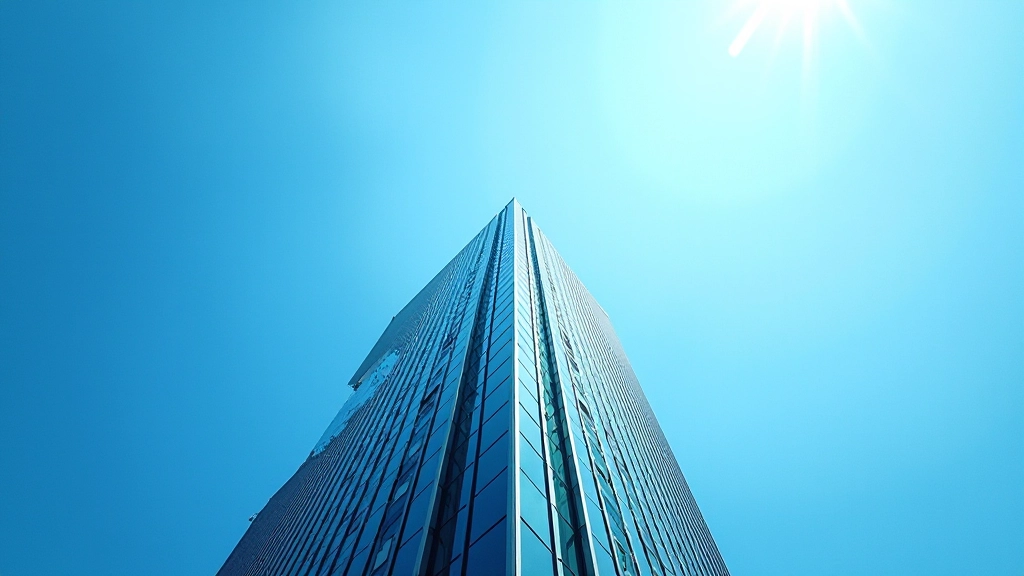
Shooting from ground level looking up creates drama. The building seems to tower over the viewer. Your verticals will converge toward the top of the frame, which some photographers avoid but others use intentionally for impact. The convergence makes the structure feel imposing, powerful.
Shooting from elevated positions — rooftops, bridges, elevated walkways — gives you a different perspective entirely. You’ll see patterns and relationships between buildings that ground-level shots miss. Plus, you get cleaner backgrounds because you’re shooting over the street-level clutter.
About This Guide
This guide is informational and based on practical photography techniques. While these principles have been applied successfully across professional and amateur photography, results depend on your equipment, location, lighting conditions, and individual skill development. Different photographers will interpret these techniques differently based on their artistic vision.
Working With Reflections and Light
Hong Kong’s glass buildings create endless reflection opportunities. But they’re tricky. You can’t always predict what will be reflected in a facade, and sometimes the reflections completely change the composition.
The best approach? Shoot during golden hour — early morning or late afternoon. The angle of sunlight creates stronger reflections and more dramatic shadows. You’ll see more definition in the glass, and the light becomes part of your compositional element rather than a source of frustration.
Watch for reflections of other buildings, clouds, or sky in the glass. These can add layers to your image. Sometimes a reflection creates a second “building” within your frame, doubling the visual interest. Other times reflections distract from your main subject. You’ll learn to recognize which reflections serve your composition and which ones you should avoid.
Composition Techniques That Work
Symmetry is powerful in architectural photography. If you find a perfectly symmetrical building or facade, center it in your frame. The viewer’s eye naturally appreciates the balance. But don’t overuse this — after a few symmetrical shots, move to asymmetrical compositions to keep your work fresh.
Framing is another technique worth mastering. Use elements in the foreground — a doorway, a window, architectural details — to frame your main subject in the background. This creates depth and makes the image more engaging than a straight-on shot of a single building.
Patterns repeat constantly in urban environments. A grid of windows. Repeated architectural elements. Rows of storefronts. Look for these patterns and fill your frame with them. This approach works especially well for abstract or minimalist architectural photography. You’re not photographing a building anymore — you’re photographing visual rhythm.
Managing Urban Challenges
Street-level architecture photography means dealing with crowds, weather, and visual clutter. You can’t control what’s in front of your subject, but you can work around it.
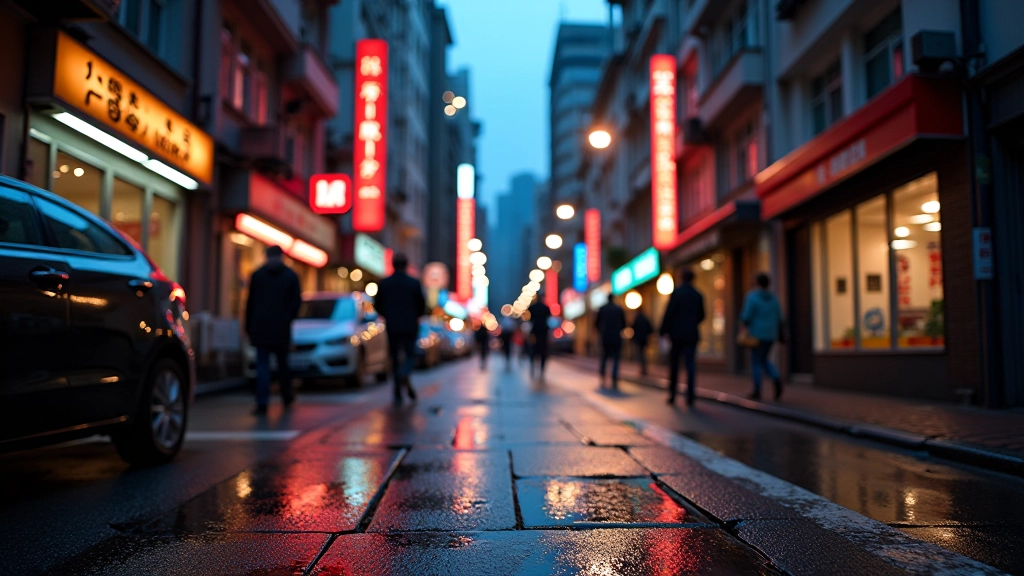
Timing matters enormously. Early morning before rush hour means fewer people blocking your shots. Rainy days can be brilliant — wet pavement creates reflections, and overcast light is actually ideal for architectural work because it’s even and shadowless.
For reflections on ground level, you’re fighting glare and unwanted reflections constantly. Polarizing filters help reduce glare from glass and water. They won’t solve everything, but they’ll give you cleaner images, especially on bright days when reflections are strongest.
Moving Forward With Your Photography
Architectural photography rewards patience and observation. You’re not just documenting buildings — you’re interpreting them through your unique visual perspective. The same street corner will look different depending on where you stand, what time of day you shoot, and how you frame the composition.
Start with your neighborhood. Find a building you can revisit regularly. Shoot it from multiple angles, at different times of day, in different weather conditions. You’ll learn more from this practice than from a hundred random architectural shots.
Hong Kong’s constantly changing skyline means there’s always something new to photograph. Keep your eyes open, experiment with angles, and don’t be afraid to break composition rules once you’ve learned them. The best architectural photographs often come from seeing something nobody else noticed.